How to Manage Your Finances While Working Abroad
Working abroad is the ultimate dream for many people It is an opportunity to immerse yourself in a new culture eat exotic food and pad your resume with international experience However there is a hidden side to this adventure that no one tells you about until you are already there the absolute chaos of managing money in a foreign land Between fluctuating exchange rates high costs of living and the temptation to travel every weekend your bank account can start looking a little thin if you are not careful Managing your finances while working overseas does not have to be a source of constant stress It is entirely possible to enjoy your time abroad while also building a solid financial foundation for your future The key lies in preparation adaptability and a few smart habits that will keep your wallet happy across borders
Working abroad is the ultimate dream for many people It is an opportunity to immerse yourself in a new culture eat exotic food and pad your resume with international experience However there is a hidden side to this adventure that no one tells you about until you are already there the absolute chaos of managing money in a foreign land Between fluctuating exchange rates high costs of living and the temptation to travel every weekend your bank account can start looking a little thin if you are not careful
Managing your finances while working overseas does not have to be a source of constant stress It is entirely possible to enjoy your time abroad while also building a solid financial foundation for your future The key lies in preparation adaptability and a few smart habits that will keep your wallet happy across borders
Understanding Your New Financial Environment
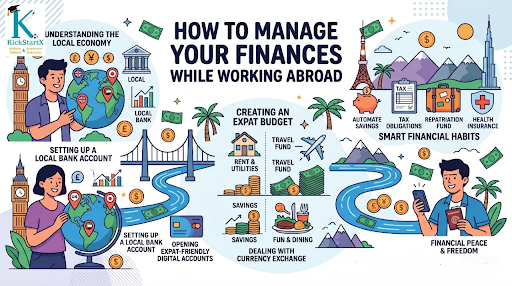
The first step in taking control of your money is understanding the landscape you are now living in Every country has its own unique financial quirks and what worked for you back home might lead to disaster in a new economy You need to look at the big picture before you start spending like a local
One of the most significant factors is the cost of living index You might be earning a salary that sounds massive when converted back to your home currency but if the rent in your new city takes up sixty percent of that income you are not actually as wealthy as you think You must calculate your purchasing power within the local context rather than constantly converting prices back to your native currency Doing the mental math of conversion every time you buy a coffee will only lead to exhaustion and a skewed sense of value
You also need to research the local banking system Some countries are still very cash heavy while others are almost entirely digital Understanding how people pay for things will save you from awkward moments at the checkout counter and help you decide which banking tools you actually need
Setting Up a Local Infrastructure
While it might be tempting to just use your international credit card for everything the fees will eventually eat you alive Setting up a local bank account should be one of your top priorities upon arrival
Having a local account allows you to receive your salary without losing a chunk to conversion fees and makes paying local bills much simpler Look for banks that offer low maintenance fees and have a wide network of ATMs Additionally consider opening an account with a digital challenger bank or a fintech service designed for expats These platforms often offer the best exchange rates and allow you to hold multiple currencies simultaneously which is a lifesaver when you are moving money between countries
The Art of the Expat Budget
Budgeting sounds boring but for an expat it is the difference between coming home with savings or coming home with debt A good budget is not a restriction it is a roadmap that tells your money where to go so you do not wonder where it went
You should start by identifying your fixed costs such as rent utilities and insurance Once those are covered you can allocate funds for your variable expenses like groceries transportation and entertainment The most important part of an expat budget is the "fun fund" You moved abroad to experience things so you must give yourself permission to spend on travel and dining out without feeling guilty as long as it fits within your preplanned limits
Smart Ways to Handle Your Money
Here are some essential strategies to keep your finances on track while you are living the international life
Create an emergency fund in both your home currency and your local currency to cover unexpected flights or medical issues
Automate your savings so that a portion of your paycheck goes directly into a separate account before you have the chance to spend it
Use apps to track your daily spending so you can identify where you might be overspending on small items
Avoid the "vacation mindset" where you treat every day like a holiday and spend money accordingly
Research tax obligations in both your host country and your home country to avoid nasty surprises at the end of the year
Use specialized money transfer services instead of traditional banks when sending money home to get better rates and lower fees
Shop where the locals shop rather than sticking to international supermarkets that carry expensive imported goods
Investigate local retirement or pension schemes as some countries allow expats to withdraw these funds when they leave
Navigating Exchange Rates and Inflation
Exchange rates are the silent thief of the expat world One day your savings are worth a fortune and the next they have dropped by ten percent because of a political shift or an economic report while you were sleeping While you cannot control the global market you can control how you react to it
Try to avoid moving large sums of money all at once if the rates are unfavorable If you need to send money home regularly consider using a "dollar cost averaging" approach where you send smaller amounts at set intervals This averages out the exchange rate over time and reduces the risk of getting hit hard by a sudden currency drop
Inflation is another factor to watch If you are working in a country with high inflation your local savings will lose value quickly In such cases it might be smarter to move your excess savings into a more stable currency or invest them in assets that hold their value
Housing and Transportation Savvy
Rent is likely to be your biggest expense abroad Many expats fall into the trap of living in "expat bubbles" where rents are inflated to match international standards While these areas are comfortable they are rarely the best value for your money Explore neighborhoods that are popular with local professionals You will get a more authentic experience and likely save a significant amount of money each month
When it comes to transportation skip the car if you can Public transit in many international cities is world class and significantly cheaper than maintaining a vehicle If you do need a car consider buying a reliable used one rather than leasing a new model that will depreciate the moment you drive it off the lot
The Importance of Insurance and Health
Never skimp on health insurance Medical costs for foreigners can be astronomical in many countries Ensure you have a comprehensive policy that covers not just local treatment but also emergency medical evacuation if necessary This might feel like a large upfront cost but it is a vital part of your financial safety net
Additionally look into disability or income protection insurance Especially when working abroad you want to ensure that if something happens to your ability to work you are not left stranded in a foreign country without resources
Social Life Without Breaking the Bank
One of the hardest parts of living abroad is saying no to social invitations You want to make friends and say yes to every weekend trip to a neighboring country However the "yes man" lifestyle is the fastest way to empty your bank account
Instead of always going to expensive bars or restaurants suggest activities that are low cost Host a potluck dinner at your place go for hikes or explore free local festivals Many cities have incredible cultural events that do not cost a dime if you know where to look Making friends with locals rather than just other expats will also help you find the hidden gems that are affordable and authentic
Planning for the Return or the Next Move
Whether you plan to stay abroad for one year or ten you need an exit strategy Moving is expensive and you do not want to be in a position where you cannot afford to leave or transition to your next chapter
Start a "repatriation fund" or a "next move fund" early on This should cover the cost of international movers flights and a deposit on a new apartment back home or in a new country Having this money set aside gives you the freedom to make choices based on your career and happiness rather than being forced to stay or leave because of your bank balance
Final Thoughts on Financial Freedom Abroad
Living and working in a foreign country is one of the most rewarding experiences a person can have It broadens your horizons and challenges your perspectives in ways you never imagined By taking a proactive approach to your finances you ensure that those challenges remain exciting rather than becoming a burden
Financial management abroad is not about deprivation it is about prioritization It is about making sure you have enough for the things that truly matter like that once in a lifetime trip to the mountains or a comfortable home while still being responsible for your future self If you stay mindful of your spending understand the local economy and build smart habits you will find that managing your money is just another part of the adventure
Conclusion
In conclusion mastering your finances while working abroad requires a blend of local knowledge and global strategy By setting up the right banking infrastructure creating a realistic budget and staying aware of currency fluctuations you can enjoy the expat lifestyle without the financial hangover Remember to prioritize your savings and insurance just as much as your travel plans With a little bit of discipline and a lot of planning your international career can be a period of incredible financial growth and unforgettable memories Pack your bags do your research and get ready to thrive in your new home away from home
Need help making the right career decision?
Explore KickStartX career counselling and education guidance services for personalised support, scientific assessments, and structured career planning.
Explore related KickStartX services
Continue from this topic to the most relevant counseling, admission, abroad studies, skills, and career pathway pages.