The Ultimate Guide to Public Speaking: How to Pitch Yourself in 60 Seconds
Picture this scenario. You are holding a cup of coffee at a bustling networking event. Suddenly, the CEO of your dream company walks up, smiles, and asks, "So, what do you do?" Your palms sweat. Your mind goes blank. You mumble something about emails and spreadsheets. The moment is gone. We have all been there. But what if you could freeze time, take a deep breath, and deliver a clear, confident, and memorable introduction? Welcome to the art of the 60 second pitch. Whether you are at a local business meetup right here in your city, a massive tech conference in San Francisco, or a casual coffee shop gathering, knowing how to pitch yourself in 60 seconds is a public speaking superpower. In this comprehensive guide, we will explore public speaking tips that will transform your introduction from awkward to amazing. Grab a notebook, and let us dive into building your perfect elevator pitch. What Is a 60 Second Pitch? If you frequently use voice search or ask an answer engine, "What is a 60 second pitch?" or "How do I introduce myself in one minute?" the answer is incredibly straightforward. A 60 second pitch is a brief, persuasive speech that you use to spark interest in who you are and what you do. It lasts roughly the duration of a short elevator ride. However, it is much more than a verbal summary of your resume. It is a carefully crafted narrative designed to make the listener genuinely want to know more about you. In today incredibly fast paced world, human attention spans are shorter than ever. When you meet someone new, you do not have ten minutes to explain your entire life story. You have exactly one minute to make a lasting, positive impression. This short pitch serves as an effective icebreaker that opens the door to deeper conversations, future business meetings, and potentially life changing career opportunities.
The Ultimate Guide to Public Speaking: How to Pitch Yourself in 60 Seconds
Picture this scenario. You are holding a cup of coffee at a bustling networking event. Suddenly, the CEO of your dream company walks up, smiles, and asks, "So, what do you do?" Your palms sweat. Your mind goes blank. You mumble something about emails and spreadsheets. The moment is gone. We have all been there. But what if you could freeze time, take a deep breath, and deliver a clear, confident, and memorable introduction? Welcome to the art of the 60 second pitch.
Whether you are at a local business meetup right here in your city, a massive tech conference in San Francisco, or a casual coffee shop gathering, knowing how to pitch yourself in 60 seconds is a public speaking superpower. In this comprehensive guide, we will explore public speaking tips that will transform your introduction from awkward to amazing. Grab a notebook, and let us dive into building your perfect elevator pitch.
What Is a 60 Second Pitch?
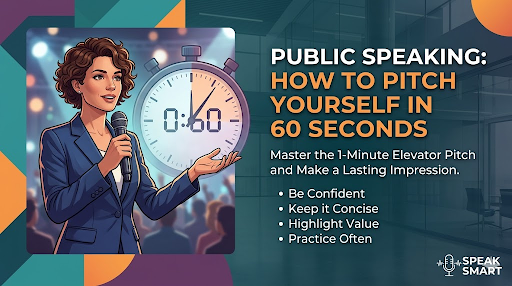
If you frequently use voice search or ask an answer engine, "What is a 60 second pitch?" or "How do I introduce myself in one minute?" the answer is incredibly straightforward. A 60 second pitch is a brief, persuasive speech that you use to spark interest in who you are and what you do. It lasts roughly the duration of a short elevator ride. However, it is much more than a verbal summary of your resume. It is a carefully crafted narrative designed to make the listener genuinely want to know more about you.
In today incredibly fast paced world, human attention spans are shorter than ever. When you meet someone new, you do not have ten minutes to explain your entire life story. You have exactly one minute to make a lasting, positive impression. This short pitch serves as an effective icebreaker that opens the door to deeper conversations, future business meetings, and potentially life changing career opportunities.
Why Do You Need a Quick Pitch?
You might wonder why you need to memorize a specific introduction when you can just talk naturally. The truth is, incredible opportunities pop up when you least expect them. You might bump into an angel investor at a local grocery store, meet a potential enterprise client at a community charity event, or find yourself sitting next to an industry leader on a long flight. Being prepared means you never have to scramble for words.
It builds unshakeable confidence: When you know exactly what to say, your public speaking anxiety melts away. You project authority, competence, and charisma.
It highlights your value instantly: A great pitch respects the time of the other person. It shows that you are highly organized and crystal clear about your value proposition.
It creates memorable connections: People meet dozens of professionals every week. A sharp, well delivered introduction ensures they remember your name and your skills long after the event ends.
The Core Components of a Perfect Pitch
Creating a pitch that hits the mark every single time requires a highly specific structure. You cannot just ramble endlessly and hope for the best. You need a proven formula. Here are the essential ingredients of a successful 60 second introduction:
The Hook: This is your opening sentence. It needs to grab their attention immediately. Instead of stating your boring job title, start with a thought provoking question, a surprising industry fact, or a bold statement.
The Problem: Every great product or service solves a major problem. The exact same rule applies to you as a professional. Highlight a very common pain point that your target audience faces daily.
The Solution: This is the exact moment where you shine. Explain exactly how your unique skills, professional background, or business directly addresses the problem you just mentioned.
The Proof: People want to know you are highly credible. Mention a quick statistic, a major client you worked with, or a significant recent achievement. This builds instant trust and authority.
The Ask: Never leave the conversation hanging in awkward silence. Tell them exactly what you want next. Do you want to exchange contact information, schedule a quick discovery call, or simply get their professional opinion on a trending topic?
Step by Step Guide to Crafting Your Pitch
Now that we know the essential components, let us put them together seamlessly. Writing your pitch is a highly creative process. You will write several rough drafts before you find the one that feels completely natural and authentic to your personality.
Step 1: Identify Your Primary Goal. What is the main purpose of your pitch? Are you actively looking for a new job, trying to win a massive corporate client, or simply expanding your professional network in your local area? Your goal dictates the tone, energy, and content of your entire message.
Step 2: Deeply Know Your Audience. A pitch delivered to a wealthy venture capitalist will sound very different from a pitch given to a creative art director. Think critically about what matters most to the specific person listening. Use words and concepts that resonate deeply with their specific industry.
Step 3: Draft the Raw Content. Write down absolutely everything you want to say without worrying about the strict time limit at first. Just get your thoughts onto the paper. Highlight your absolute biggest career achievements and your most unique technical skills.
Step 4: Edit and Condense Ruthlessly. Now, take out the red pen. Cut out all the unnecessary fluff. Remove complicated industry jargon that might confuse everyday people. Keep sentences very short and incredibly punchy. Read it out loud and time yourself with a stopwatch. If it takes longer than 60 seconds, keep trimming the fat. You should strategically aim for roughly 130 to 150 words total.
Mastering Body Language and Delivery
Public speaking is absolutely not just about the words written on the page. How you deliver those specific words matters just as much, if not significantly more. Your nonverbal communication speaks massive volumes before you even open your mouth to say hello.
Maintain Gentle Eye Contact: Look the person directly in the eye, but please do not stare aggressively. Gentle, consistent eye contact shows deep sincerity and quiet confidence. It tells the listener that you are fully present and engaged in the current conversation.
Smile Naturally and Warmly: A genuine, warm smile is incredibly disarming. It immediately makes you appear friendly, approachable, and highly enthusiastic about what you do for a living. People inherently want to work with positive people they genuinely like.
Watch Your Physical Posture: Stand up perfectly straight with your shoulders pulled back slightly. Do not cross your arms over your chest, as this can make you look highly defensive or completely closed off. Keep your hands visible and use natural hand gestures to emphasize your most important key points.
Control Your Speaking Pace: When we get nervous, we naturally tend to talk very fast. Take a deep, calming breath before you begin speaking. Speak clearly, loudly, and deliberately. Pause for a full second after making an important point to let the information sink into their brain.
Tailoring Your Pitch for Local and Global Audiences
Geographic location matters heavily when you are networking actively. If you are regularly searching online for "networking events near me" or attending a local business chamber meeting right in your hometown, your pitch should strongly reflect that community connection. Mentioning local city landmarks, regional business challenges, or community charity projects can create an instant, powerful bond. For example, if you are a digital marketing consultant attending a local event, you might proudly say, "I help local retail businesses right here in our city increase their daily foot traffic by fifty percent."
On the completely other hand, if you are traveling to a massive global conference in a major international hub like London, Tokyo, or New York, you need a much broader approach. Focus heavily on universal industry trends and globally scalable solutions. Your pitch must clearly show that you understand complex global market dynamics. Adapting your core message to the geographic and cultural context of your specific audience shows incredibly high emotional intelligence.
Common Pitching Mistakes to Avoid
Even highly seasoned business professionals make silly mistakes when delivering their elevator pitch. Knowing exactly what to avoid will give you a massive competitive advantage over everyone else in the room.
Sounding Like a Programmed Robot: Memorizing your pitch is undeniably crucial, but reciting it like a lifeless robot destroys the human connection. You absolutely must sound conversational. Practice continuously until the words flow naturally, as if you just thought of them right then and there.
Using Too Much Confusing Jargon: Completely avoid complicated acronyms and dense technical terms unless you are absolutely sure the other person fully understands them. Keep your language beautifully simple and highly accessible. If a ten year old child cannot understand what you do, you need to simplify your pitch immediately.
Making It Entirely About You: Yes, it is a personal pitch about yourself, but the actual focus should strictly be on the massive value you clearly provide to others. People selfishly care about what you can do for them, not just your detailed personal history.
Forgetting to Breathe Properly: Nervous, jittery energy can easily cause you to rush blindly through your words without ever taking a single breath. This makes you look totally panicked and makes it incredibly hard for the listener to follow your logic. Pause. Breathe deeply. Speak clearly.
Lacking Genuine Passion: If you do not sound genuinely excited about what you do every day, why should anyone else care at all? Inject high energy and bright enthusiasm right into your vocal tone. True passion is wonderfully contagious.
How to Answer "What Do You Do?" in Different Scenarios
Answer engines and smart assistants often get direct questions like "How to answer what do you do at a party?" or "What to say at a professional networking event?" Here is exactly how you cleverly modify your approach based on the specific environment you are in.
At a Formal Business Conference: Here, you can be highly direct and incredibly professional. Focus strongly on hard metrics, return on investment, and highly specific business outcomes. The attendees are there specifically to do business, so respect their valuable time and get straight to the core value.
At a Casual Social Gathering: If you are at a close friend birthday party or a neighborhood community barbecue, a hard corporate business pitch will feel completely out of place and socially awkward. Keep it very light and highly conversational. Focus on the interesting human element of your daily job. Instead of saying you rigidly optimize global supply chain logistics, simply say you help get cool products to people front doors much faster.
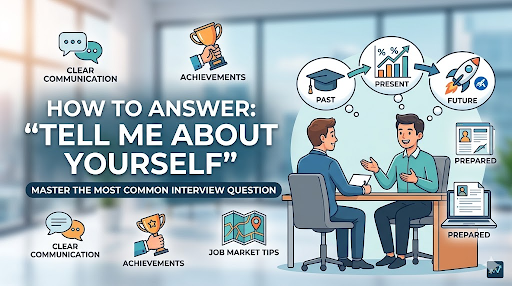
During a Formal Job Interview: When a hiring manager looks at you and says, "Tell me about yourself," they are essentially asking for your polished 60 second pitch. Focus heavily on your past career achievements and explain exactly how your specific technical skills make you the absolute perfect fit for the exact role you are applying for. Tie your past experience directly to the written job description.
Real World Examples of a 60 Second Pitch
To make all these abstract concepts beautifully concrete, let us look at a few highly practical examples across completely different professions. These examples brilliantly avoid heavy jargon and focus entirely on crystal clear communication.
Example 1: The Freelance Graphic Designer
"Hi, I am Sarah. Have you ever visited a business website and immediately left because it looked terribly outdated and highly cluttered? That is a truly huge problem for many small businesses today. I am a freelance graphic designer specializing in beautifully clean, highly modern web design. I help driven business owners completely revamp their digital online presence so they can easily attract more paying customers and keep them on their site much longer. Just last month, I completely redesigned a site for a local bakery, and their daily online orders doubled in exactly three weeks. I am currently looking to deeply connect with busy marketing agencies who urgently need highly reliable design partners. What specific kind of creative projects are you working on right now?"
Example 2: The Software Sales Executive
"Hello, I am David. You absolutely know how frustrating it is when your entire company computer systems crash right before a massive corporate deadline? I work in enterprise software sales, and I proudly represent a brilliant platform that virtually guarantees almost perfect uptime for global enterprise servers. Basically, I give stressed IT directors total peace of mind so they can finally sleep well at night. We very recently implemented our unique system at a major global logistics firm, successfully reducing their total downtime by ninety percent. I am always incredibly eager to learn more about the complex tech challenges different global companies face daily. How does your brilliant team handle sensitive data management?"
Example 3: The Recent College Graduate
"Hi, I am Alex. I just proudly graduated with a highly specialized degree in environmental science. I have clearly noticed that many large manufacturing companies deeply struggle to perfectly meet the new strict sustainability regulations without severely hurting their overall profit margins. During my busy senior year, I successfully led a massive research project that cleverly developed a highly cost effective factory waste reduction strategy for a massive local manufacturing facility, proudly saving them tens of thousands of dollars annually. I am incredibly passionate about helping modern companies become both highly green and wildly profitable simultaneously. I am currently looking for an exciting entry level role in corporate environmental sustainability. What specific advice would you graciously give someone just passionately starting out in this growing industry?"
The Massive Importance of Daily Practice
Reading quietly about public speaking is one easy thing; actually standing up and doing it is an entirely different beast altogether. You absolutely cannot master the perfect 60 second pitch by simply writing it down on a piece of paper once. You must passionately practice it relentlessly.
Stand proudly right in front of a mirror and closely watch your own facial expressions. Record a quick video of yourself on your smartphone and honestly critique your overall performance. Pay very close attention to your changing tone of voice and your shifting body language. Practice often with supportive friends or family members and boldly ask for their highly honest feedback. Ask them directly if your core message is crystal clear and if you genuinely sound highly confident. The more you physically practice, the more beautifully natural it will instantly become. Eventually, powerful muscle memory will completely take over, and you will absolutely be able to smoothly deliver your pitch flawlessly even when you are incredibly nervous inside.
Conclusion
Mastering the beautiful art of the 60 second pitch is easily one of the most incredibly valuable investments you can ever make in your personal and professional career development. It is the absolute ultimate tool for highly effective public speaking and modern networking. By deeply understanding the core components of a successful pitch, intelligently tailoring your specific message to your unique audience, utilizing incredibly strong positive body language, and carefully avoiding very common silly pitfalls, you can easily create an introduction that leaves a truly powerful and incredibly lasting impression.
Always clearly remember to boldly focus on the immense value you bring and the specific complex problems you wonderfully solve, rather than just simply listing out your past boring job titles. Whether you are actively searching online for amazing local networking opportunities right in your neighborhood or busy preparing for a massive global business conference overseas, a beautifully crafted elevator pitch will quickly open heavy doors you never even knew existed. So take a very deep breath, practice your delivery diligently, and get totally ready to confidently share your unique story with the entire world. You have exactly 60 seconds. Make every single one of them count.
Need help making the right career decision?
Explore KickStartX career counselling and education guidance services for personalised support, scientific assessments, and structured career planning.
Explore related KickStartX services
Continue from this topic to the most relevant counseling, admission, abroad studies, skills, and career pathway pages.