Beyond the Paycheck: How to Master the Art of Benefit Package Negotiation
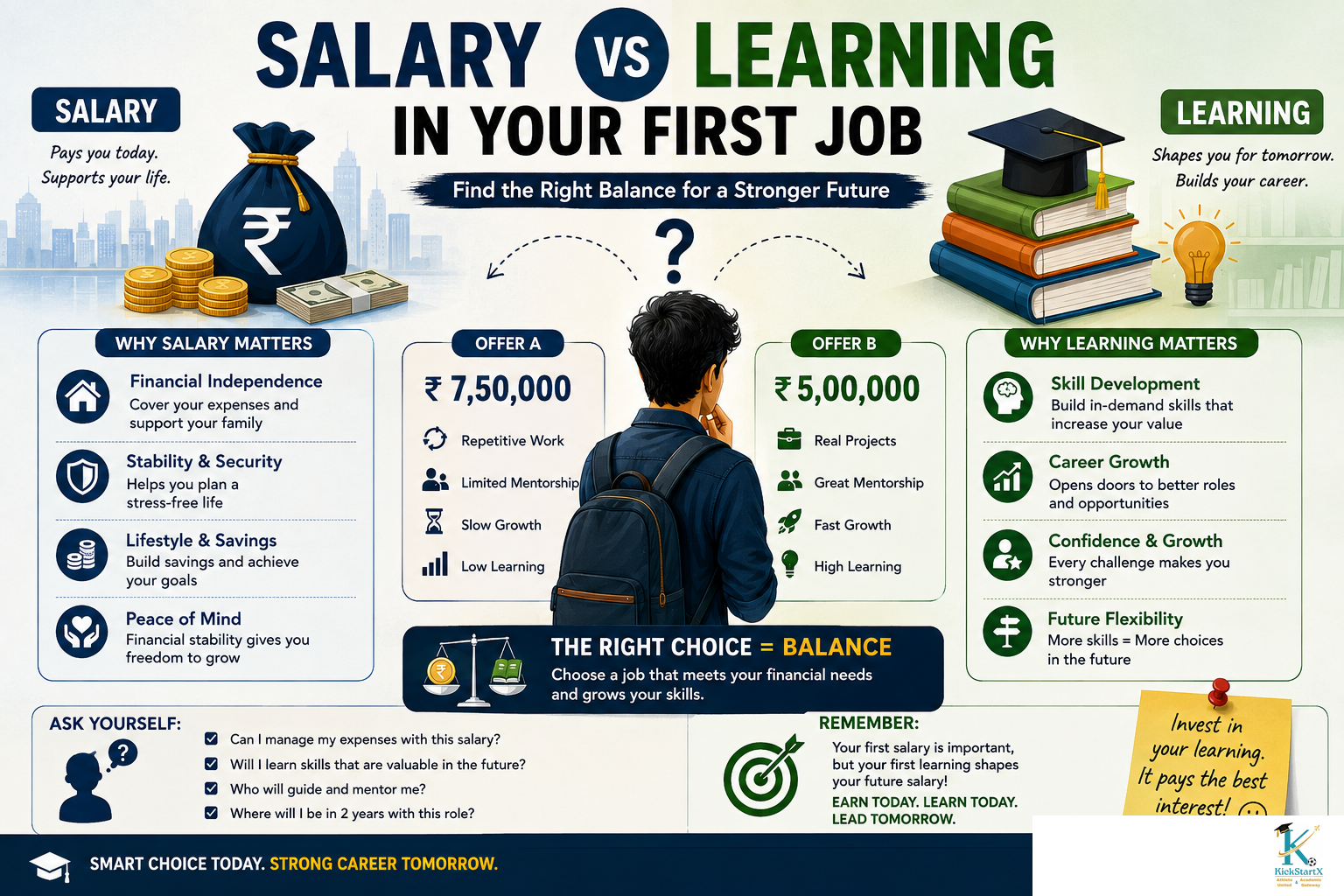
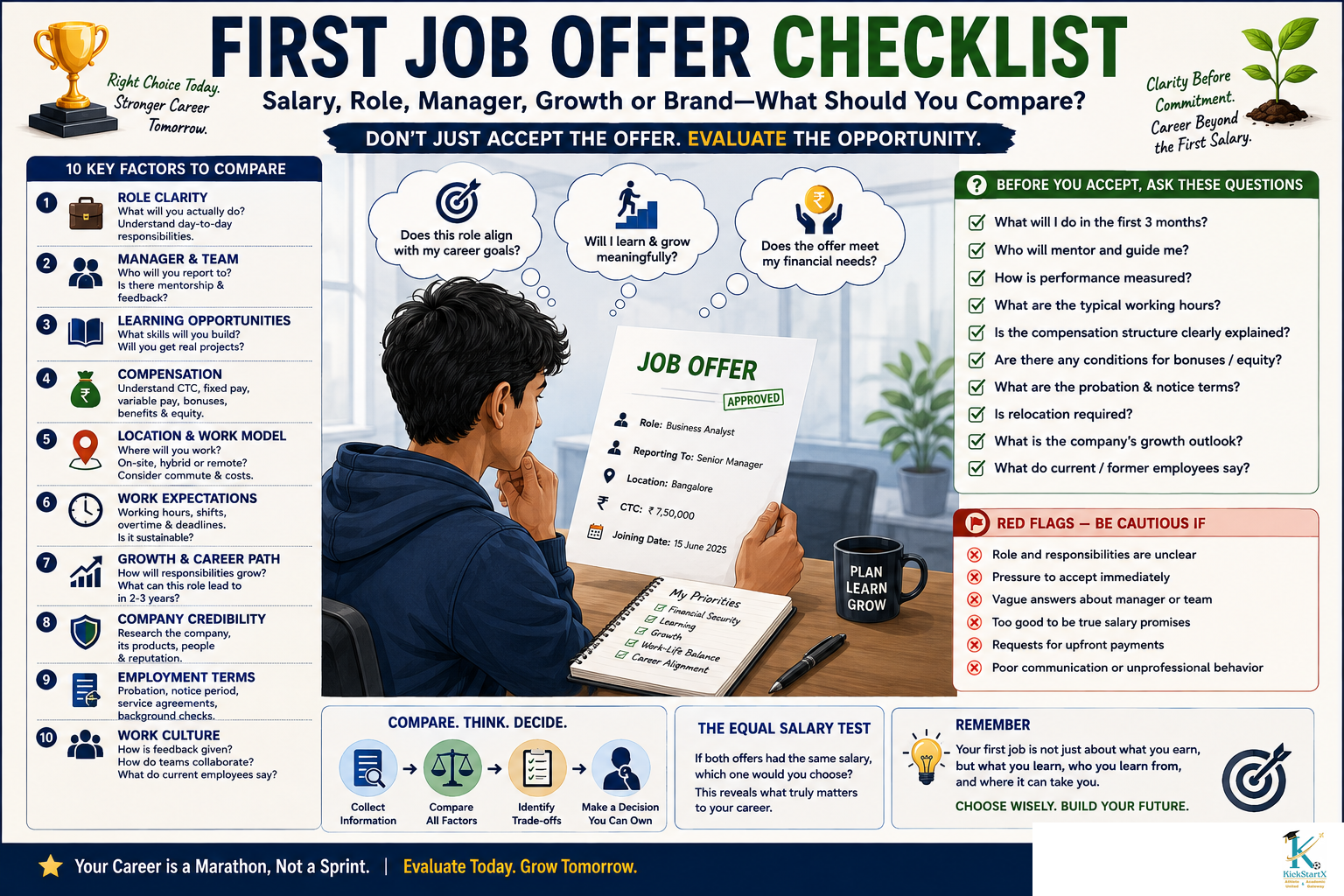
Picture this: You have just finished the final round of interviews for your dream job. The hiring manager likes you. The team loves you. The coffee machine is one of those fancy espresso makers. Two days later, your phone rings. It is the offer. They say the magical words, and then they say the magic number. It is a good number. Your chest swells. You think, Wow, I could finally afford that artisan sourdough subscription. But wait. Before you shout "YES!" and start planning your victory lap, there is something vital you need to look at. It is the bulky, slightly intimidating document attached to your offer email titled "Summary of Benefits." In the excitement of a job offer, many professionals make a fundamental mistake: they fixolate exclusively on the base salary. This is like buying a car because you like the color but forgetting to check if it has an engine, wheels, or seatbelts. The truth is, your base salary is only one component of your total compensation. The other part—the benefits package—is the hidden machinery that supports your health, your wealth, your sanity, and your entire lifestyle. Failing to negotiate your benefits is like leaving a large, wrapped gift on the table, unopened and forgotten. Welcome to the ultimate guide to benefits negotiation. We are going to explore why these "perks" are sometimes more important than the actual cash and, most importantly, how you can strategically and politely ask for more of them. By the time you finish reading, you will be equipped to view any job offer not just as a paycheck but as a whole ecosystem designed to help you thrive.
Beyond the Paycheck: How to Master the Art of Benefit Package Negotiation
Picture this: You have just finished the final round of interviews for your dream job. The hiring manager likes you. The team loves you. The coffee machine is one of those fancy espresso makers. Two days later, your phone rings. It is the offer. They say the magical words, and then they say the magic number.
It is a good number. Your chest swells. You think, Wow, I could finally afford that artisan sourdough subscription. But wait.
Before you shout "YES!" and start planning your victory lap, there is something vital you need to look at. It is the bulky, slightly intimidating document attached to your offer email titled "Summary of Benefits."
In the excitement of a job offer, many professionals make a fundamental mistake: they fixolate exclusively on the base salary. This is like buying a car because you like the color but forgetting to check if it has an engine, wheels, or seatbelts.
The truth is, your base salary is only one component of your total compensation. The other part—the benefits package—is the hidden machinery that supports your health, your wealth, your sanity, and your entire lifestyle. Failing to negotiate your benefits is like leaving a large, wrapped gift on the table, unopened and forgotten.
Welcome to the ultimate guide to benefits negotiation. We are going to explore why these "perks" are sometimes more important than the actual cash and, most importantly, how you can strategically and politely ask for more of them. By the time you finish reading, you will be equipped to view any job offer not just as a paycheck but as a whole ecosystem designed to help you thrive.
The Illusion of "Just Salary"
It is completely understandable why we focus on the salary. It is quantifiable. It is the number that dictates your monthly budget. It is the number you tell your mom when she asks how the job hunt is going.
But salary is misleading because it is subject to immediate forces like taxes and the cost of living. Your benefits, however, often provide value that is tax advantaged or even completely tax free. They are the shock absorbers that protect you from life’s inevitable speed bumps.
Think about total compensation like an iceberg. The salary is the part sticking out of the water. It is visible and obvious. The benefits package is the massive body of ice hidden beneath the surface. That is the part that actually keeps the whole thing afloat.
If you only look at the tip, you are missing most of the structure.
Preparation is Power (And We Mean Real Preparation)
You would not walk into a meeting with your boss without doing your homework, right? (Okay, maybe you have, but it probably did not go well). Approaching a benefits negotiation is no different. You cannot just ask for "more stuff." You need to know what you are asking for, why you are asking for it, and what is normal in your industry.
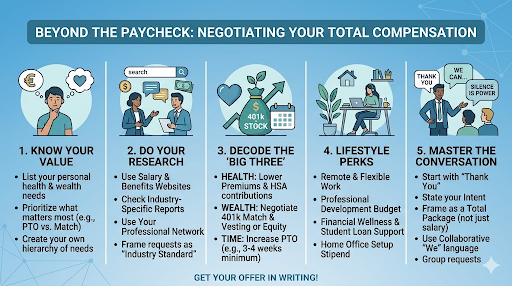
Before you even think about opening your mouth to negotiate, you must create your own "personal benefits audit."
Know Your Own Numbers First
This is the internal part of preparation. What do you actually need to be happy, healthy, and financially stable? Your needs are unique, and your negotiation strategy should reflect that.
Start by asking yourself these direct questions:
What are my ongoing medical needs? Do I have prescription costs or specialist visits?
Am I planning to buy a home or start a family soon?
What does my ideal retirement look like? Am I on track?
How much vacation time do I really need to prevent burnout? Be honest.
Do I have children? Do I need childcare support?
Do I need specialized equipment (like an ergonomic setup) to do my job effectively?
Am I interested in going back to school or getting a new certification?
Once you know what matters most to you, you can prioritize your negotiation points. If you are extremely healthy, a high premium health plan might be less important to you than more paid time off. If you are aggressively saving for a house, a high retirement match is your top priority. Knowing your hierarchy of needs prevents you from negotiating for a perk you will never use.
The Research Phase
Now, let’s look outward. Just because you want something does not mean it is reasonable for the company to provide it. This is where market research comes in. You need to know what other companies in your field are offering for your role. This gives you data, and data is your best ally in a negotiation.
When researching, look at:
Salary and Benefits Websites: Platforms like Glassdoor, Levels.fyi, and Payscale are treasure troves. Look specifically at your job title in your geographical area and size of the company.
Industry Specific Reports: Many industries have annual compensation and benefits surveys. Find yours and read it.
Your Professional Network: This is the best (and most underutilized) resource. Talk to your peers. Reach out to former colleagues who work at similar companies. You do not need to ask, "How much money do you make?" Instead, try, "What is considered a standard health insurance premium at a company of your size?" or "Do you think four weeks of vacation is the norm for a senior role here?" People are often surprisingly willing to share details about benefits even if they are shy about their salary.
You must walk into that conversation armed with knowledge. The goal is to frame your requests as "industry standard," not "personal wishlist."
Decoding the Big Three: Health, Wealth, and Time
The universe of benefits can be overwhelming. There are specialized acronyms (HSA, PPO, 401k) and complex fine print. When you look at the total package, start by focusing on the "Big Three" areas that have the most profound impact on your life.
1. Health and Wellness
Health insurance is often the single most expensive benefit (other than salary) that a company provides. It is also the one people are most terrified of negotiating because it seems set in stone.
It is true: companies often have one or two group health plans that are standardized. You cannot usually negotiate a "special health plan" just for yourself. But you can negotiate how that plan impacts your wallet.
Here is what you are looking for and what you should discuss:
Premiums: This is the amount taken out of every single paycheck to pay for the insurance. Ask yourself: "How much of this cost is the company covering?" The best companies cover 80 percent or even 100 percent of the employee’s premium. If the company is only offering to cover 50 percent, and your monthly premium is high, that is a direct reduction of your salary. This is a crucial point for negotiation.
Deductibles and Out Of Pocket Maximums: This is the money you pay before insurance kicks in, and the absolute maximum you would have to pay in a worst case scenario. Low premiums sound great until you see a 5000 dollar deductible.
HSA or FSA Contributions: These are special accounts that let you pay for medical expenses with tax free dollars. Some companies will actually seed your HSA with their own money. This is, quite literally, free money to pay for your doctor. If the insurance premiums are high, you can negotiate for the employer to make a significant contribution to your HSA to offset that cost.
Do not be afraid to say: "The health insurance premiums are higher than I anticipated, which impacts my take home pay. Could we explore a signing bonus or a slightly higher base to offset this cost? Or would the company be open to making an additional contribution to an HSA?"
2. Retirement and Wealth Building
The 401k or other retirement savings plans (like a 403b for nonprofits) is your long term wealth builder. The key feature here is the employer match.
An employer match is when the company matches your contribution, dollar for dollar (up to a certain percentage). For example, if they offer a 5 percent match and you contribute 5 percent, they are effectively giving you an automatic 5 percent raise that is immediately invested for your future.
What is negotiable here? Again, the plan rules are usually fixed, but you can talk about:
The Match Itself: While rare, a small or medium sized company might be willing to increase their standard match for a key hire.
The Vesting Schedule: This is how long you have to stay at the company before the money they contributed to your retirement is actually yours. If their match only vests after five years, and you know you are only planning on staying for three, that match is functionally meaningless to you. You can try to negotiate for immediate vesting or a "graduated" schedule (e.g., 20 percent per year).
Stock Options or Equity: For startups and larger public companies, equity is a massive part of the compensation strategy. If the cash offer is lower than you want, the primary way to make it up is through a larger equity grant. The goal here is to share in the company’s long term success. You are betting that the stock will become much more valuable. When negotiating equity, make sure you understand the vesting schedule (usually four years) and the current valuation.
3. Paid Time Off (PTO)
Time is our most valuable resource. You can always make more money, but you cannot make more time. Paid time off (which can include vacation, sick leave, and holidays) is not a luxury; it is critical for preventing burnout and maintaining mental health.
This is often one of the most negotiable parts of a benefits package, especially for experienced professionals. A standard entry level offer might be two weeks. An experienced professional should be looking at three to four weeks, minimum.
When negotiating time, be specific. "I would like more vacation" is not as effective as "Given my ten years of experience and the requirements of this senior role, a starting vacation allowance of four weeks is consistent with my current role and industry standards. I would like to see that reflected in the offer."
You can also discuss:
Holidays: Does the company observe all federal holidays? What about floating holidays that you can use for religious observances or your birthday?
Sabbaticals: For longer term employees, some progressive companies offer extended paid leave (e.g., four weeks off after five years of service). This is an excellent benefit to ask for in a more senior, high impact role.
The Lifestyle Perks: The Icing on the Cake
Once the Big Three are settled, you can look at the other benefits that affect your daily life and happiness. These are often easier for companies to agree to because they represent a one time cost or a smaller, ongoing expense that makes a big difference to you.
These can be organized into a few groups:
Remote and Flexible Work: This is the new gold standard of benefits. The value of not commuting is enormous. You can negotiate for a set number of remote days per week, a full remote arrangement, or flexible starting and ending hours. This benefit is less about the money and all about personal agency and quality of life.
Professional Development: Great companies invest in their people. Negotiate for a dedicated training budget for yourself each year. This could cover certifications, conferences (including travel and lodging), or even a specialized workshop. If you want them to pay for a whole graduate degree, that is called tuition reimbursement, which is a significant (and fantastic) benefit to look for and negotiate.
Financial Wellness Perks: These are becoming more popular. Think free access to financial planners, student loan repayment support, or legal aid services.
Home Office Setup: If you are working remotely, you can absolutely negotiate a one time stipend (e.g., 500 to 1500 dollars) to set up your home office with a great monitor, an ergonomic chair, and a proper desk. This is a very easy "yes" for most employers.
The "Feel Good" Perks: Gym memberships, discounted wellness services, free food in the office, and commuter benefits are all small but meaningful ways a company can add value. Do not lead with these, but they are great "sweeteners" to ask for at the very end.
The Art of the Conversation: Your Negotiation Script
You have done your research. You know your priorities. Now, you have to actually have the conversation. This is the part that makes everyone’s stomach do flip flops.
Here is the one rule to follow: Be firm, be polite, and be grateful. The company has just offered you a job, which means they want you. This is a discussion, not a battle.
Your script should follow a clear structure:
Start with "Thank You": Open the conversation on a high note. Express your genuine excitement about the role and the team.
State your Intent: Explain that you are ready to make a commitment but would like to discuss a few elements of the offer to ensure it is competitive and sustainable for you long term.
Frame it as a Package: Never talk about salary in a vacuum. Connect it to the benefits.
Use "We": Use collaborative language. "How can we make this work so that the total compensation is competitive?" instead of "I need you to give me X."
Stop Talking: This is the single most important part of any negotiation. After you state your request and the justification, pause. Do not rush to fill the silence. Let the recruiter or hiring manager process it. The silence works in your favor.
Here is an example of what this might sound like:
"First, I want to say how much I appreciate this offer. I have really enjoyed getting to know everyone on the team, and I am incredibly excited about the possibility of joining.
When I looked over the total package, I noticed a few things. The base salary is a bit lower than I am currently seeing in the market for a senior role. However, I am more interested in the total compensation. Based on the higher health insurance premiums and the lower retirement match, the overall financial picture is slightly below my expectation.
If we are not able to adjust the base salary to the market standard of [Specific Number], could we explore bridging that gap with a higher equity grant, two more days of remote work flexibility per week, and a starting vacation allowance of four weeks instead of the standard two?
I am confident that we can find a creative solution that works for everyone. My priority is to build a long and successful career with you, and ensuring the right total compensation structure from day one is key to that."
Notice how this script does several things:
It is incredibly positive.
It acknowledges the offer.
It provides a justification (market standards, high premiums) for the request.
It does not just demand one thing; it groups requests together, giving the company options to say "yes."
It reinforces a commitment to a long term future.
When to Walk Away
A final, difficult truth: sometimes the benefits package is just bad. A company that refuses to offer decent health insurance, has no retirement match, and only gives a few days of vacation is not a company that invests in its people.
If you have negotiated politely and clearly and the company has completely rejected all your requests, you have to ask yourself why. Is it because they have rigid, company wide policies that are completely unchangeable (which is possible for very large corporations)? Or is it because they do not see you as a valuable long term asset?
Remember, the way a company treats you during the hiring process is exactly how they will treat you when you are an employee. If they dismiss your respectful requests for basic wellness benefits now, how do you think they will react when you need to take time off for an emergency or want to discuss a promotion later?
Failing to agree on the benefits package can be a valid reason to decline an offer. Trust your research and your audit. If the iceberg is mostly melt, the ship will not stay afloat.
Conclusion
Negotiating your total compensation is not greedy, demanding, or unprofessional. It is the single most mature business conversation you can have with your future employer. It is you standing up and saying, "I am a high value asset, and this is what it takes for me to perform at my absolute best over the long run."
By looking past the base salary and digging deep into the benefits package, you are setting yourself up for success not just financially, but emotionally and physically too. You are ensuring that you can afford your healthcare, save for your future, take the time to recharge, and do your best work without the constant anxiety of a poorly structured support system.
Do your homework. Prioritize your needs. Use data as your shield. And when the offer comes, remember that it is just the beginning of the conversation. Get it all in writing. Congratulations, you are now a master of total compensation negotiation. Go and get that artisan sourdough subscription, too.
Need help making the right career decision?
Explore KickStartX career counselling and education guidance services for personalised support, scientific assessments, and structured career planning.
Explore related KickStartX services
Continue from this topic to the most relevant counseling, admission, abroad studies, skills, and career pathway pages.