Creating Your Study Friendly Environment
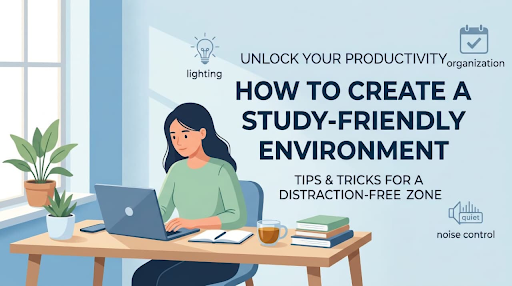
As a student or professional looking to learn something new, you might often wonder exactly how to stay completely focused. Learning how to create a study friendly environment is the first and most important step toward true academic and professional success. Whether you are prepping for massive final exams, completing a difficult online certification, or simply reading to expand your personal knowledge, the physical space where you sit down to work plays a massive role in your ability to concentrate. The rise of remote learning and remote work has made this topic more relevant today than ever before. In this comprehensive guide, we will explore absolutely everything from perfect room lighting to desktop organization. We will also answer some of the most common questions people ask search engines, like how to stay focused while studying at home. By the time you finish reading this detailed guide, you will know exactly how to transform any ordinary room into an ultimate productivity zone.
How to Create a Study Friendly Environment
As a student or professional looking to learn something new, you might often wonder exactly how to stay completely focused. Learning how to create a study friendly environment is the first and most important step toward true academic and professional success. Whether you are prepping for massive final exams, completing a difficult online certification, or simply reading to expand your personal knowledge, the physical space where you sit down to work plays a massive role in your ability to concentrate. The rise of remote learning and remote work has made this topic more relevant today than ever before. In this comprehensive guide, we will explore absolutely everything from perfect room lighting to desktop organization. We will also answer some of the most common questions people ask search engines, like how to stay focused while studying at home. By the time you finish reading this detailed guide, you will know exactly how to transform any ordinary room into an ultimate productivity zone.
The Psychology Behind Your Workspace
Why does your physical environment matter so much to your daily success? The human brain is incredibly sensitive to all external stimuli. Physical clutter, extremely poor lighting, and constant background noise can cause immediate cognitive overload. When you are actively trying to memorize complex mathematical formulas or write a highly detailed lengthy essay, your brain genuinely needs all of its available processing power. If your eyes are constantly drawn to a messy pile of laundry in the corner of your room, your brain uses precious mental energy to actively ignore that visual distraction. Creating a dedicated learning zone trains your brain to instantly associate that specific spot with deep focus and hard work. Just like you naturally associate your bed with sleep, you want to associate your desk with extreme productivity. Building a proper study friendly environment is a proven psychological strategy to significantly improve information retention, heavily reduce stress, and maximize your true learning potential. This is exactly why top performing students always prioritize their workspace setup above all else.
Choosing the Perfect Location
The absolute first step in building your optimal study space is selecting the right location. You definitely do not need a massive room to succeed. Even a tiny little corner in your bedroom can work perfectly if it is optimized correctly. Look for a spot that is securely tucked away from the main busy traffic areas of your house. Avoid setting up your desk right next to a busy hallway or directly facing the living room television.
Here are a few important things to thoroughly consider when picking your perfect spot:
Choose a room with a solid door you can easily close to completely block out external noise.
Look for a bright space with plenty of natural sunlight, which naturally boosts your mood and daytime energy levels.
Ensure there are more than enough electrical outlets nearby for your laptop chargers and your desk lamp.
Keep far away from areas normally associated with relaxation, such as directly on top of your bed or slouched on your couch.
If you happen to live in a very noisy household, finding the absolute best study environment might mean looking outside your private home. Local geographic searches can be incredibly beneficial here. You can easily look up quiet public libraries near me or search for the best local coffee shops for studying in your city. A quick change of scenery is sometimes exactly what you need to break through a tough wall of procrastination. You might even want to look for quiet public spaces in your local neighborhood, such as community centers or coworking spaces.
Lighting It Right
Good lighting is absolutely crucial for a successful study friendly environment. Working in poor lighting directly leads to severe eye strain, terrible headaches, and mental fatigue, all of which will quickly kill your productive study session. The absolute best source of light is pure natural daylight. If it is entirely possible, position your desk securely near a bright window. Warm sunlight naturally provides vitamin D and keeps your biological circadian rhythm perfectly in check, making you feel wide awake and mentally alert throughout the day.
When natural light is unfortunately not an option, you carefully need to layer your artificial lighting setup.
Ambient Lighting: This is the general overhead light in your room. Strongly avoid harsh fluorescent bulbs because they can easily make your room feel uncomfortably sterile. Opt instead for warm white or bright natural white LED bulbs.
Task Lighting: A really good desk lamp is a mandatory investment for your success. Position your desk lamp directly opposite your dominant writing hand to actively prevent dark shadows from falling over your important notes.
Screen Glare Reduction: Always ensure your computer monitor is not directly reflecting the bright light from your open window. Carefully adjust your screen brightness to match the ambient room lighting to successfully prevent digital eye strain.
Ergonomics and Comfort
You simply cannot focus properly if your lower back is constantly aching or your neck feels incredibly stiff. Ergonomics is the scientific study of designing your workspace to perfectly fit your unique body, and it is entirely vital for surviving long study sessions. Many young students make the terrible mistake of studying lying flat on their beds or slouching aggressively over a tiny coffee table. This terrible habit directly leads to horrible posture and severe long term health issues.
To properly create an ergonomic study space, you actively need to focus on your specific chair and desk height.
Your feet should always rest completely flat on the floor or on a comfortable footrest.
Your knees should always be bent at a proper ninety degree angle.
Your lower back absolutely must be fully supported. Place a small cushion or pillow behind your lower back if your chair lacks good lumbar support.
Your computer monitor should always rest exactly at your natural eye level. Consider buying a sturdy laptop stand and a separate external keyboard to keep your neck perfectly straight.
Your elbows should comfortably rest firmly on your desk at a ninety degree angle while you are typing on your keyboard.
Remember, you always want to be comfortable enough to avoid physical pain, but strictly upright enough to remain totally alert and ready to learn. Taking physical stretch breaks every single hour is also highly recommended.
Organizing Your Desk and Supplies
A cluttered desk directly equals a heavily cluttered mind. Physical organization is a fundamental core pillar of any study friendly environment. Before you officially begin any serious study session, you absolutely should spend five solid minutes completely clearing away anything that does not directly contribute to the specific task at hand. Empty coffee cups from yesterday, useless junk mail, and random electronic gadgets need to go away immediately.
Here is exactly how to keep your personal space perfectly organized:
Use cheap drawer organizers to neatly separate your pens, bright highlighters, sticky notes, and metal paper clips.
Implement a clear filing system for all your loose printed papers and important course syllabi.
Keep a small discreet trash can right near your desk so you can immediately throw away useless scrap paper.
Only keep the specific items you genuinely need for your current active subject directly on your desk.
By aggressively keeping your workspace exceptionally clean, you completely eliminate dangerous visual distractions. You also save a massive amount of valuable time because you will never again have to spend twenty frustrating minutes frantically searching for a specific missing notebook. You should also try to keep your digital computer desktop completely free of random messy files.
Managing Noise and Soundscapes
Auditory distractions are arguably just as harmful as visual ones. Loudly barking dogs, aggressive street traffic, or happily chattering roommates can completely ruin your deep concentration. Taking total control of your personal auditory environment is completely essential for your long term success.
If you genuinely require complete total silence, definitely invest in high quality noise canceling headphones. They are an absolute game changer for young students currently living in highly busy dorms.
If total complete silence naturally makes you feel anxious, actively try listening to soothing ambient noise. Many smart people use white noise, deep brown noise, or relaxing nature sounds to easily drown out sudden background interruptions.
Instrumental classical music or calm ambient tracks can also heavily boost your focus. Strongly avoid music with catchy lyrics, as your brain will naturally try to process the words instead of your work.
You can also carefully add soft plush furnishings to your room to naturally absorb bouncing sound. A highly thick rug, heavy window curtains, and foam acoustic panels can significantly reduce room echoes and heavily muffle outside annoying noises, making your room feel like a truly quiet sanctuary where your mind can finally thrive.
Tackling Digital Distractions
We currently live in a highly digital age, and our smart cell phones are arguably the absolute biggest threat to a perfect study friendly environment. You can easily have the most beautiful, highly ergonomic, perfectly well lit desk in the entire world, but if your cell phone is constantly buzzing loudly with social media app notifications, your overall productivity will completely drop to zero.
To successfully combat these digital distractions, you strictly must create firm personal boundaries.
Put your cell phone in a totally different room while you actively study. If it is completely out of sight, it is completely out of mind.
Use smart website blockers on your personal computer to actively prevent yourself from mindlessly scrolling through social media pages.
Turn off all totally non essential application notifications on all your electronic devices.
Try utilizing the popular Pomodoro technique. Work incredibly intensely for twenty five solid minutes, and then appropriately reward yourself with a five minute break where you finally check your text messages.
By actively managing your daily technology use, you successfully reclaim total control over your fragile attention span and significantly increase your core ability to retain complex information.
Adding Personal Touches for Motivation
While ruthlessly keeping your primary desk free of messy clutter is very important, making the actual space feel uniquely yours is equally vital for your daily motivation. A highly sterile blank room can quickly feel incredibly depressing. You genuinely want your main study space to be somewhere you actually enjoy spending your valuable time.
Add a really small green indoor plant. Scientific studies directly show that natural greenery can heavily reduce stress and wonderfully improve your concentration.
Hang a highly inspiring vision board or a large corkboard right above your desk. Proudly pin up your biggest academic goals, highly inspiring quotes, or nice pictures of your ultimate dream university.
Keep a large full water bottle directly nearby to heavily ensure you stay properly hydrated. Mild dehydration quickly leads to severe brain fog and heavy mental fatigue.
Carefully light a mildly scented candle or actively use an essential oil diffuser. Fresh scents like pure peppermint and sweet rosemary actively stimulate the brain and wonderfully enhance memory recall.
These seemingly small artistic additions beautifully transform a very boring standard desk into a highly personalized ultimate productivity hub.
Answer Engine Optimization Questions
To successfully make this detailed guide as uniquely helpful as entirely possible, let us officially answer some of the absolute most frequently asked questions people regularly type into search engines when desperately trying to optimize their personal workspaces. These highly common internet queries perfectly reflect what ambitious students everywhere are constantly struggling with today.
What is the best color for a study room?
Paint colors naturally have a truly profound psychological impact on our daily fluctuating moods. Soft calming blues and gentle light greens are almost universally considered the absolute best specific colors for deep concentration and total calmness. They naturally reduce personal anxiety and easily help you stay highly focused for much longer periods. Strongly avoid painting your primary study room bright aggressive red or bright neon yellow, as these intense bright colors can easily induce severe stress and restless agitation. Try beautifully incorporating calming blue or soft green room accessories, like a nice desk mat or pretty window curtains.
How do I create a study space in a small bedroom?
If you are currently very tight on physical space, you simply have to get highly creative. Brilliantly utilize empty vertical space by carefully installing sturdy floating shelves right above your desk to securely hold your heavy thick books. Buy a highly convenient foldable desk that you can easily pack entirely away when you are not actively using it. You can also smartly loft your sleeping bed and put your working desk directly underneath it to save massive floor space. The most important key is to clearly physically define the strict boundary between your relaxing sleep area and your intense work area.
How to stay focused while studying at home?
Successfully staying entirely focused at home naturally requires incredible mental discipline. Always dress exactly as if you are actually going to a real physical class. Do not ever study wearing your comfortable pajamas, as this directly signals to your brain that it is finally time to heavily relax. Always clearly communicate your exact daily schedule to your family members so they fully know not to ever disturb you.
Conclusion
Building a truly effective study friendly environment is an ongoing personal process of trial and error. What works absolutely brilliantly for one specific person might completely and totally fail for another. The ultimate main goal is to successfully craft a comfortable physical space that effectively minimizes your stress, completely eliminates visual distractions, and heavily maximizes your natural biological ability to learn brand new concepts. By constantly paying incredibly close attention to your room lighting, highly investing in proper desk ergonomics, fiercely keeping your school supplies neatly organized, and aggressively guarding your deep focus against endless digital interruptions, you perfectly set yourself up for incredible massive academic success. Whether you are actively searching for exceptionally quiet public spaces in your local neighborhood or completely transforming a tiny tight bedroom corner into a massive productivity powerhouse, taking total active control of your physical environment is arguably the most empowering thing you can ever do for your personal education journey. Start finally making these highly important small adjustments today, and watch your daily focus soar.
Need help making the right career decision?
Explore KickStartX career counselling and education guidance services for personalised support, scientific assessments, and structured career planning.
Explore related KickStartX services
Continue from this topic to the most relevant counseling, admission, abroad studies, skills, and career pathway pages.