Navigating Your Financial Future: A Friendly Guide To Insurance Every Young Professional Needs
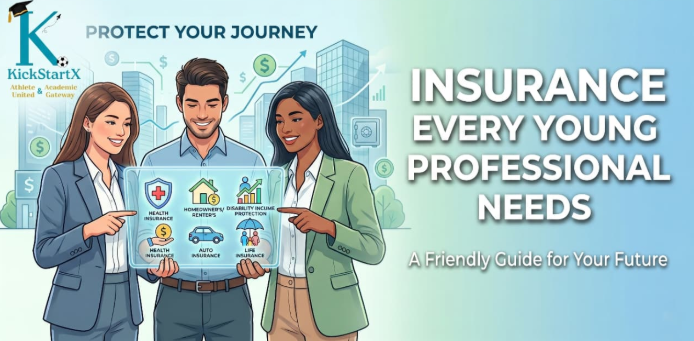
Hello there and welcome to that exciting phase of life we affectionately (or sometimes stressfully) call young professionalism. You have the degree or the certification, you landed the job, and you are starting to see real numbers enter your bank account every pay cycle. It is a time of endless potential, new apartments, perhaps your first nice car, and yes, the creeping realization that you are fully responsible for your own life and finances. It is easy to get caught up in the thrill of new found independence. Who wants to think about unexpected emergencies when you could be thinking about your next vacation or upgrading your tech? But here is the thing: part of being a successful, savvy young professional is protecting the life you are working so hard to build. That is where the often misunderstood, frequently eye rolling topic of insurance comes in. Mention insurance to a group of twenty somethings, and you are likely to get groans and glazed over expressions. It seems complex, expensive, and designed for people much older than you. But the truth is, a solid insurance strategy is not a sign that you are boring and old; it is a sign that you are smart and forward looking. Think of insurance not as a burdensome bill, but as a financial super suit. It is that crucial layer of protection that ensures one bad break, one unexpected illness, or one simple mistake does not completely derail your financial trajectory before you even truly get started. You are building momentum right now, and insurance helps you keep that momentum, no matter what surprises life throws your way. So, let’s make this easy, connective, and yes, maybe even a little bit fun. We are going to break down the essential types of insurance every young professional needs to have on their radar right now. We promise to keep the jargon to a minimum.
Navigating Your Financial Future: A Friendly Guide To Insurance Every Young Professional Needs
Hello there and welcome to that exciting phase of life we affectionately (or sometimes stressfully) call young professionalism. You have the degree or the certification, you landed the job, and you are starting to see real numbers enter your bank account every pay cycle. It is a time of endless potential, new apartments, perhaps your first nice car, and yes, the creeping realization that you are fully responsible for your own life and finances.
It is easy to get caught up in the thrill of new found independence. Who wants to think about unexpected emergencies when you could be thinking about your next vacation or upgrading your tech? But here is the thing: part of being a successful, savvy young professional is protecting the life you are working so hard to build.
That is where the often misunderstood, frequently eye rolling topic of insurance comes in. Mention insurance to a group of twenty somethings, and you are likely to get groans and glazed over expressions. It seems complex, expensive, and designed for people much older than you. But the truth is, a solid insurance strategy is not a sign that you are boring and old; it is a sign that you are smart and forward looking.
Think of insurance not as a burdensome bill, but as a financial super suit. It is that crucial layer of protection that ensures one bad break, one unexpected illness, or one simple mistake does not completely derail your financial trajectory before you even truly get started. You are building momentum right now, and insurance helps you keep that momentum, no matter what surprises life throws your way.
So, let’s make this easy, connective, and yes, maybe even a little bit fun. We are going to break down the essential types of insurance every young professional needs to have on their radar right now. We promise to keep the jargon to a minimum.
1. Health Insurance: Your Body Is Your Career’s Engine
Let’s start with the one that affects you most directly every single day. Your health insurance. When you are young, it is incredibly easy to feel invincible. A little bit of sleep, some ibuprofen, and you bounce back from almost anything, right? Unfortunately, life does not always agree with that theory.
You can be the healthiest person in the world and still experience a sudden appendicitis attack, slip on a patch of ice, or catch a severe flu that lands you in the hospital. Without health insurance, even a seemingly minor hospital stay can result in bills totaling tens of thousands of dollars. Suddenly, all those savings you were putting away for a down payment or that trip to Europe are gone, or worse, you are faced with staggering medical debt.
If your employer offers health insurance, fantastic! This is often your simplest and most cost effective route. Do not just blindly sign up for the basic plan, though. Take the time to understand terms like deductibles, premiums, copays, and out of pocket maximums.
Premium: This is your monthly subscription cost to have the insurance active, similar to your Netflix subscription.
Deductible: This is the amount of money you have to pay yourself for care before your insurance company starts chipping in significantly. A higher deductible usually means a lower monthly premium, and a lower deductible means a higher monthly premium.
Copay: A set amount you pay for specific services, like a doctor visit or prescription medication.
Out Of Pocket Maximum: This is the most you will have to pay for covered services in a plan year. Once you hit this, the insurance company generally pays one hundred percent of your covered costs.
If your workplace does not offer insurance or you are freelancing, you have other options. You might still be eligible to stay on your parents plan until you turn twenty six, which is a significant safety net. Alternatively, you can explore plans through the Health Insurance Marketplace created by the Affordable Care Act. It might feel expensive now, but when you contrast it with the potential cost of an uninsured hospital visit, it is one of the smartest financial decisions you will make. Protecting your physical self ensures you can keep showing up to build your career.
2. Renter’s or Homeowner’s Insurance: Protecting Your Stuff and Your Liability
Whether you just moved into a trendy city loft, a cozy starter home, or are still shacking up with roommates, you have accumulated things. Laptops, gaming systems, furniture, clothes, that expensive guitar you are totally going to learn to play one day. These things all have value, and replacing them out of pocket is not fun.
If you are a renter, do not make the classic mistake of assuming your landlord’s insurance covers you. It does not. Their insurance covers the physical building itself. If a pipe bursts and ruins your expensive sneakers and your high speed laptop, their insurance will not pay to replace your items.
This is where Renter’s Insurance comes in. It is famously one of the most affordable types of insurance out there, often costing about the same as one or two fancy coffee drinks a month. A renter’s policy provides coverage for two main things:
Your Personal Property: It replaces your items if they are stolen or damaged by covered events like fire or water damage.
Your Liability: This part is even more crucial. If a guest trips and hurts themselves at your apartment or if your dog bites someone, your renter’s insurance can help cover their medical bills or legal fees if they decide to sue. It can even cover damage you accidentally cause to other people’s property (like if you overflow your bathtub and ruin your neighbor’s ceiling downstairs).
For those young professionals who have taken the leap into homeownership, Homeowner’s Insurance is not optional; your mortgage lender will require it. It is more comprehensive than renter’s insurance, covering the structure of your home, your belongings, and liability. Ensuring you have the right amount of coverage for both the building and your possessions is essential for protecting what is likely your largest financial asset.
3. Disability Insurance: Income Protection for Your Most Important Asset
Wait, I can almost hear you thinking, "Disability insurance? Isn't that for older people, or people who work in dangerous factories?" This is perhaps the most overlooked type of insurance for young professionals, yet it covers your most significant financial asset: your ability to earn an income.
Think about it. If you are twenty five and you plan to work until you are sixty five, that is forty years of potential earnings. Over that time, even a modest salary adds up to millions of dollars. Your future income is worth more than your house, your car, and everything else you own combined. Disability insurance protects that value.
If you are unable to work for an extended period because of a significant injury, an illness (and yes, that includes mental health conditions), or post surgery recovery, how will you pay your bills? Your health insurance pays the hospital, but disability insurance pays you. It provides you with a portion of your paycheck (typically sixty to seventy percent) so you can cover essential expenses like rent, food, and student loan payments while you focus on getting better.
There are generally two types of disability insurance you should know about:
Short Term Disability: This usually covers you for a few months (e.g., three to six months) following a qualifying illness or injury. Many employers provide this as a basic benefit.
Long Term Disability: This is the critical one. It kicks in when short term coverage ends and can provide benefits for years, or even until retirement age, depending on the policy. The financial impact of not being able to work for five, ten, or twenty years is catastrophic. Long term disability insurance prevents that catastrophe.
Do not just assume your job’s basic coverage is enough. Workplace policies can be restrictive. For example, they might define "disabled" only as being unable to do any job, rather than your specific skilled profession. Also, you might lose that coverage if you change jobs. It is often worth looking into a supplemental private long term disability policy to ensure you have comprehensive, portable coverage that truly protects your career potential.
4. Auto Insurance: The Legal (And Smart) Requirement
We probably do not need to sell you too hard on this one, as auto insurance is a legal requirement in almost every state. However, many young professionals simply look for the absolute lowest price without understanding what they are actually purchasing. Driving without proper insurance is a massive financial risk.
At the very least, you need state mandated Liability Coverage. This covers the costs of damage or injury you cause to others in an accident. If you cause a wreck, your liability insurance pays for the other driver’s car repairs and medical bills, up to your policy limits. Skimping here is incredibly dangerous; if the damages exceed your limits, you can be personally sued for the remainder.
For comprehensive protection, you should also consider:
Collision Coverage: This pays to repair or replace your car after an accident, regardless of who was at fault.
Comprehensive Coverage: This covers damage to your car not caused by a collision, such as theft, vandalism, hail damage, or hitting an animal.
If you are driving an older car with low resale value, you might decide to skip collision and comprehensive coverage to save money. But if you have a newer vehicle or if you rely on your car completely for your job, having this extra coverage is smart. One split second mistake or a bout of bad weather should not leave you without a way to get to work or with a massive repair bill you cannot afford.
5. Life Insurance: The Future Consideration (Usually)
We know, we know. Life insurance? At this stage in the game? This is often the point in the insurance conversation where young professionals completely lose interest. You are just starting your life, not thinking about the end of it!
However, life insurance becomes necessary as soon as you have people who depend on your income, or if you have co signed debt. While most young, single professionals with no dependents may not need a large policy right away, it is important to consider your specific situation.
If you have dependents: If you are married, have children, or support aging parents, life insurance is non negotiable. It provides a financial safety net (the death benefit) to help them cover living expenses, child care, or education costs if you were to pass away unexpectedly.
If you have co signed debt: If a parent or other loved one co signed your student loans, car loan, or even a private mortgage, they will be responsible for that debt if something happens to you. A simple, affordable term life insurance policy can ensure that debt is paid off without burdening them.
The great news is that when you are young and healthy, life insurance is incredibly inexpensive. A small, simple term life policy (which provides coverage for a specific period, like ten, twenty, or thirty years) can cost very little and offer immense peace of mind, especially if you have co signed obligations. Your employer may offer a basic life insurance benefit as part of your package, but often that amount is just enough to cover immediate funeral costs, not provide long term security for loved ones.
Making a Game Plan: Summary of Insurance Essentials
Phew. That was a lot of information, and we appreciate you sticking with it. We know insurance can feel overwhelming, but when you break it down into these manageable categories, it becomes much easier to tackle. Let’s create a quick checklist of the core insurance needs we covered:
Health Insurance: To protect your body and your bank account from medical costs (Essential).
Renter’s Insurance: To protect your stuff and provide liability coverage in your home (Essential if renting).
Disability Insurance: Specifically long term, to protect your future income (Essential, often overlooked).
Auto Insurance: To protect you legally and financially on the road (Essential if you drive).
Homeowner’s Insurance: To protect your home and possessions (Essential if you own a home).
Life Insurance: To protect dependents or cover co signed debt (Essential only in those situations).
Conclusion: Empowerment, Not Anxiety
Taking the time to research, compare quotes, and set up your insurance coverage is a true milestone of adulthood. It is not just about checking boxes or paying bills. It is a powerful act of self care and strategic financial planning. Think about it: you are actively making decisions that secure your future and free you from the constant, low level worry that a single piece of bad luck could destroy everything you have worked for.
We are not saying you need the gold plated, most expensive policy for every single type of insurance. Your goal should be to find the right balance between cost and comprehensive protection for your specific life stage and circumstances. Start with the absolute must haves, like health and renter’s insurance. Explore your employer’s offerings carefully, as they are often the most affordable starting point. Then, look into closing critical gaps, with special attention to long term disability insurance to protect that incredibly valuable future earning potential.
Do not be afraid to ask for help! Insurance can be complex. Talk to human resources at your work, use trusted online comparison tools, or find an independent insurance agent who can help you compare plans from different companies.
Ultimately, having this solid financial super suit in place does not limit your freedom. It enhances it. It gives you the confidence to take smart career risks, pursue your passions, and truly enjoy the exciting young professional journey you are on, knowing that your financial foundation is incredibly secure. So get out there, be savvy, and get covered!
Need help making the right career decision?
Explore KickStartX career counselling and education guidance services for personalised support, scientific assessments, and structured career planning.
Explore related KickStartX services
Continue from this topic to the most relevant counseling, admission, abroad studies, skills, and career pathway pages.